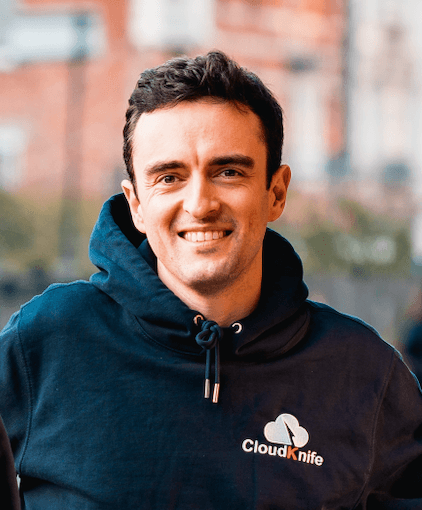
Gilles Uyttenhove
Founder & CEO
Cloud promised flexibility. In practice, optimisation became too risky and too manual to do continuously.
We did not start from a thesis about lazy teams. We started from environments where everyone was doing the sensible thing.
Workloads accumulate. Ownership shifts. The safe move for the engineer on call is often to add headroom, not to chase marginal savings without a clear story. That is not waste by negligence. It is the cost of shipping under uncertainty.
The bottleneck was never raw data. It was safe, reviewable decisions under real delivery pressure.
Four gaps we kept seeing. Same pattern whether the tool was native, a dashboard, or a one-off assessment.
Portals and exports are honest about raw state. They are not optimised for the slow work of turning that data into a safe change plan for a specific service.
A one-time assessment captures a moment. The environment moves on, and the old conclusions quietly stop matching production.
Alerts and dashboards point at variance. They rarely carry the full argument for why a change is acceptable in this tier, for this owner, in this window.
The bottleneck is not whether spend could be lower. It is whether it is safe to act here, now, with this blast radius. Without that answer, the default is to leave things alone.
What CloudKnife is
CloudKnife prepares the analysis teams normally do manually: usage, behaviour, configuration, cost, risk, and ownership in one place, across the cloud environments you run. It supports structured review, enables policy-governed automation where your rules allow, and becomes more tailored as your team approves, rejects, and operates in the product.
We are building for multi-cloud reality, not a single-vendor story. The product offers the most depth where we can stand behind review quality, which today means Azure-first execution, with AWS and GCP on a serious roadmap. We are not trying to replace judgement. We are trying to remove the repeated detective work that keeps optimisation stuck in the backlog.
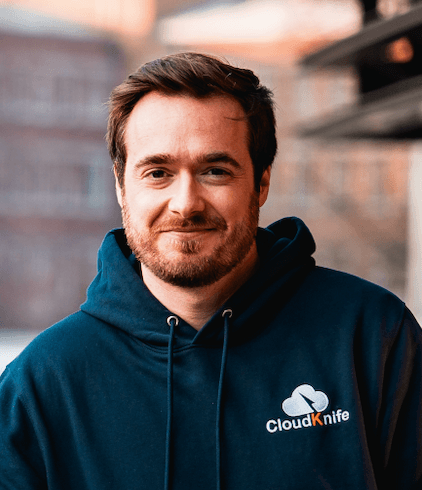
Three people who have carried pager heat, customer conversations, and long rebuilds. CloudKnife is what we wished had existed when optimisation kept losing to delivery.
Built by founders with hands-on experience in cloud engineering, product, and operations.
Founder & CEO
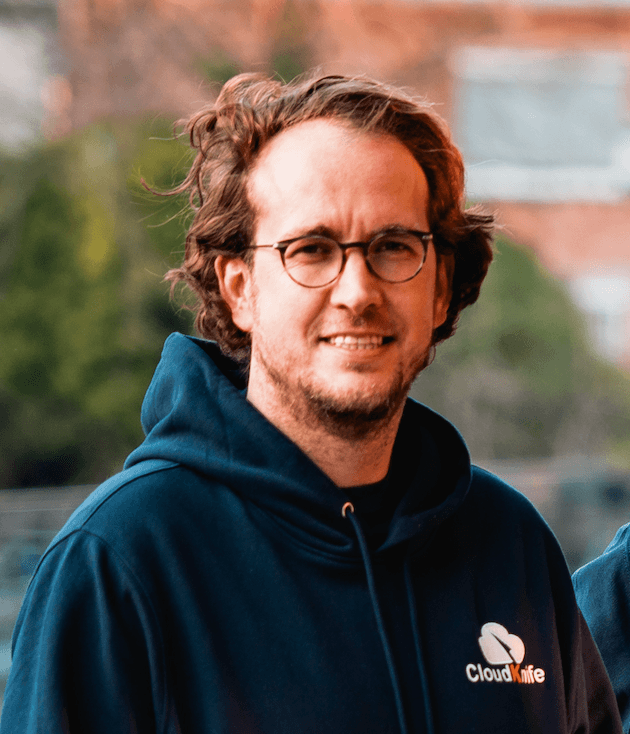
Founder & CTO
Founder & COO
Proof before promises
One paying customer environment, measured honestly. The point is not a big marketing number. It is that review-ready recommendations, grounded in production context, already surfaced material savings where prior tooling had not, in the same environment.
We are building CloudKnife to make cloud efficiency easier to understand, easier to trust, and easier to act on.
Want to go deeper on product or trust? Trust & security · Contact